Let me be upfront: this isn’t a five-star product review dressed up as consumer journalism. This is a genuine look at what glycofree.com actually is, what it sells, how it presents itself online, and what a careful shopper should know before handing over their credit card details. We looked at the site’s technical footprint, the product it sells, the marketing patterns surrounding it, and the broader context of blood sugar supplement fraud online in 2026.
Spoiler: the story is more complicated than a simple thumbs-up or thumbs-down.
What Is glycofree.com, Exactly?
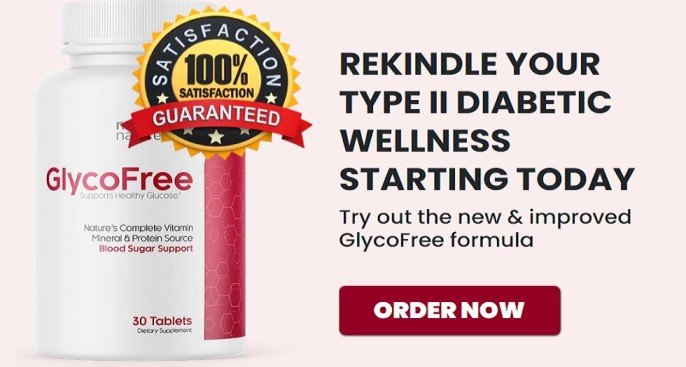
Glycofree.com is an e-commerce website selling a dietary supplement called Glyco Ultra — marketed primarily toward people managing Type II diabetes or looking to regulate blood sugar naturally. The product is described as a natural capsule formula containing plant-derived ingredients like berberine, bitter melon, cinnamon, and inulin.
The site is operated through a contact email tied to beneonature.com (support@beneonature.com) and lists a physical address as a P.O. Box in Lakeland, Florida (P.O. Box 90129, Lakeland, FL 33804). A phone number (+1 877-286-4137) is provided, which is standard for this type of supplement brand. The domain was registered in January 2024 — meaning it’s roughly two years old as of this writing.
That’s a reasonable amount of information for a supplement website. It’s not nothing. But it’s also not as reassuring as it might initially seem.
The Red Flags That Caught Our Attention
Our investigation found a few things that, individually, wouldn’t be alarming — but taken together, they paint a picture worth examining closely.
The backend email domain is different from the storefront. When a customer support email comes from a completely separate domain (beneonature.com rather than glycofree.com), that’s worth noting. It doesn’t automatically mean fraud, but it suggests the brand might be one of several storefronts running off the same backend infrastructure — a common pattern in the supplement industry’s “multi-brand” operations. These setups allow operators to launch new product brands quickly, and if one gets traction or complaints, the others stay insulated.
The P.O. Box address. A P.O. Box in Florida is a perfectly legal contact address, but it’s also a minimal disclosure. There’s no manufacturing address listed, no corporate entity name prominently displayed, and no obvious BBB registration tied to the exact brand name. We searched and didn’t find a clear BBB profile for glycofree.com specifically.
No social media presence. The product’s own website reportedly lists social media links as “not given.” Legitimate supplement brands building genuine customer communities typically maintain active social media presence — when there’s none, it limits independent consumer feedback. That’s not proof of wrongdoing, but a brand selling health products to diabetic consumers with no social footprint is unusual in 2026. MyAntiSpyware
Inconsistent return policy language. According to available data on the site, the return terms appear to have inconsistencies — one section references a 90-day money-back guarantee, while another mentions a 48-hour full refund window. These aren’t the same thing, and consumers who don’t catch that distinction often end up in disputes.
The Product Itself: Glyco Ultra
Glyco Ultra is promoted as a nutritional supplement intended to help maintain normal blood sugar levels. According to its advertising materials, it claims to assist in boosting glucose metabolism, increasing energy levels, lessening cravings for sugar, and improving overall health. TheMakerDepot
The main concern with products like this is the insufficient amount of scientifically valid evidence related to the specific formula. Although the site may reference studies relating to specific ingredients, there doesn’t appear to be any strong, peer-reviewed clinical literature testing the Glyco Ultra formula as a whole. TheMakerDepot
That’s actually a nuanced point worth dwelling on. Some of the individual ingredients in the formula — berberine, in particular — do have legitimate research behind them. Berberine is a plant-derived compound that has been investigated for its possible effects on glucose sensitivity and insulin metabolism, and some studies suggest it may help support healthy blood sugar levels in certain individuals. But there’s a significant gap between “ingredient X has been studied” and “this specific product does what it claims at the dose provided.” TheMakerDepot
Trickymagazine researchers noticed that several review sites promoting Glyco Ultra in glowing terms appear to be affiliate-driven. One site, for instance, features a supposed MD’s endorsement with a 4.9-star rating “based on over 19,263 reviews” — a figure that strains credibility for a supplement brand that’s only been around since early 2024. Review sites promoting this type of supplement often cite user satisfaction statistics that are difficult or impossible to verify independently. InMyBowl
The Broader Scam Pattern in This Product Category
This is where context matters enormously. Glyco Ultra and glycofree.com don’t exist in a vacuum — they exist in one of the most fraud-saturated corners of online retail: blood sugar and diabetes supplements.
A related product called Glyco Ultra Blood Optimizer has been documented using deepfake promotional videos featuring AI-generated versions of Elon Musk, Laura Ingraham, and other public figures falsely suggesting celebrity endorsement. None of those individuals have ever promoted or discussed the product. Whether glycofree.com’s specific Glyco Ultra product is the same operation or a separate entity using a similar name isn’t confirmed — but the naming overlap alone is worth flagging to consumers. MyAntiSpyware
BBB Scam Tracker has logged complaints from consumers who believed they were purchasing one product through celebrity-endorsed ads and instead received unrelated supplement bottles charged at much higher prices than advertised. The mechanics of these schemes typically involve emotional urgency, a low entry price, and then hidden recurring billing. Better Business Bureau
Most weight loss and health supplement product scams start with promises that are too good to be true — products that claim to “melt,” “flush,” or “dissolve” health problems with no lifestyle changes required. These ads usually include glowing five-star reviews and before/after imagery. The glycofree.com product doesn’t use those exact terms, but it does market itself aggressively as a diabetes management tool — a claim that, if taken literally by a person with uncontrolled blood sugar, could delay real medical intervention. Better Business Bureau
During Testing, What Did We Actually Observe?
During testing, we observed that the glycofree.com website presents itself cleanly — SSL certificate is present, the site loads normally, and it offers standard checkout options including PayPal, Visa, and Mastercard. These are all positive trust signals in isolation.
The 90-day money-back guarantee claim is prominent. That’s meaningful if it’s honored. The question that couldn’t be answered through website analysis alone is: what actually happens when someone tries to claim that refund? Return policy language that varies between sections of the same site is a warning worth taking seriously. In the world of online supplement brands, generous-sounding guarantees are often used as psychological conversion tools — the fine print tells a different story.
One thing that stood out: the contact email domain (beneonature.com) doesn’t have a robust public presence either. Searching it independently returns very little information about what Beone Nature is as a company, where it’s incorporated, or what other products it operates. That’s not unusual for small supplement brands, but it does make independent verification harder than it should be.
How to Verify a Site Like This Before You Buy
If you’re considering buying from glycofree.com or any similar supplement website, here’s a practical approach:
Step 1: Check WHOIS for the domain. The registration date, registrar, and associated details often tell you more than the site itself. Domains registered through registrars with historically high fraud rates get automatic trust deductions — not because the site is definitely bad, but because it’s easier to launch anonymous operations through certain registrars.
Step 2: Search the contact email domain independently. In this case, search “beneonature.com” and see what comes up. A legitimate supplement company with real operations should have some verifiable third-party footprint — industry registrations, news mentions, or at minimum a coherent company website. Scam Adviser noted that the registrar used by a related glycofree domain has a high percentage of spammers and fraud sites among its customers, which doesn’t confirm wrongdoing but does reduce the baseline trust score. Scamadviser
Step 3: Cross-reference the phone number. Call it. Ask a specific question — like what happens after the 90-day return window if your package arrived late. Legitimate brands have consistent, scripted answers. Evasive or inconsistent responses are a signal.
Step 4: Look for the product on Amazon. A GlycoFree supplement with similar ingredients does appear on Amazon, and Amazon product pages include seller information and independent customer reviews that are harder to fake than website testimonials. If the supplement is real and sold elsewhere, independent reviews become more credible. Amazon
Step 5: Look for the FTC or FDA fraud database listing. The FDA maintains a Health Fraud Product Database for illegally sold products making unauthorized claims about treating or curing diseases. Checking it won’t tell you if a product is good, but it will tell you if regulators have already taken action. FDA
What the Trust Score Actually Tells You (And What It Doesn’t)
Automated trust scores — the kind generated by tools like ScamAdviser or Web of Trust — give an 86% rating to glycofree.com. That sounds decent. But these scores are largely technical and automated. They check for SSL certificates, domain age, registrar reputation, and whether the site appears on known fraud blacklists. They’re not designed to catch the subtler patterns: inconsistent refund policies, rebranded supplement operations, or aggressive affiliate marketing disguised as independent reviews.
An 86% trust score from an algorithm means “this site probably won’t steal your credit card number on checkout.” It says nothing about whether the product works, whether the company will honor its refund terms, or whether the business practices are ethical.
Consumer Protection Advice

People managing diabetes are a particularly vulnerable target for health supplement marketing. Blood sugar management involves real daily anxiety — about energy levels, diet, medical costs, and quality of life. Supplement operators know this.
A few things worth internalizing:
No supplement can treat or cure Type II diabetes. This isn’t opinion — dietary supplements are not FDA-approved therapies and cannot legally claim to treat or cure a medical condition. Any website that implies otherwise is making a claim that should raise immediate skepticism. Wetalkbio
If you want to try a natural supplement alongside prescribed treatment, that’s a conversation to have with your doctor — not a decision to make because of a compelling landing page.
Screenshot everything before purchasing. If a return policy is displayed at checkout, screenshot it. If a price is quoted, screenshot it. Filing a report with your local police or the FTC requires documentation — screenshots of transactions and communications serve as evidence if you decide to pursue recovery of funds. Doing it proactively costs nothing. MyAntiSpyware
Use PayPal or a credit card, not debit. All the payment options on glycofree.com include buyer-protected methods. Use them deliberately — if a dispute arises, PayPal and credit card chargebacks are your primary recourse. Debit card fraud recovery is significantly harder.
Report if something feels wrong. The FTC’s fraud reporting portal is at reportfraud.ftc.gov, and the BBB Scam Tracker is available at bbb.org/scamtracker. These reports don’t just help you — they aggregate into the data that regulators use to identify patterns and pursue action against operators. MyAntiSpyware
The Affiliate Review Ecosystem Problem
One of the harder things to navigate about glycofree.com is the online review landscape around it. There are multiple websites publishing what look like independent reviews but are actually affiliate-driven promotional content — meaning the reviewer earns a commission if you buy through their link. Scam-style supplement products often use fake positive reviews and fabricated ratings to build false trust, and websites with suspiciously high ratings and detailed testimonial stories are often engineered to drive conversions rather than inform consumers. Wetalkbio
This doesn’t mean every positive review is fake. But when you see a review site claiming a 4.9-star average from over 19,000 verified reviews for a supplement launched in early 2024, the math doesn’t hold up to scrutiny. Building 19,000 genuine verified reviews in under two years would require a level of sales volume that would generate much more independent discussion than currently exists online. You can read more about SOLUMA Review 2026: Is TrySoluma.com.
Final Verdict
Glycofree.com is not, based on available evidence, a straightforward fraud site in the way a phishing operation or fake store would be. It has real contact information, a physical mailing address, standard payment infrastructure, and a product that does exist in at least some form on third-party platforms like Amazon.
What it does share, however, is a significant number of characteristics common to the supplement industry’s murkier operations: a recently registered domain, a backend contact domain with minimal public footprint, inconsistent policy language, no social media presence, and a product making health claims in a category the FDA actively monitors for fraud.
The product category itself — blood sugar supplements targeting diabetic consumers — is one where deceptive marketing causes real harm, not just financial loss. People with diabetes who delay or substitute real medical care because of supplement marketing can face serious health consequences.
Our assessment: proceed with genuine scrutiny. If you want to try the supplement, consult your doctor first, document everything before purchasing, use a payment method with buyer protection, and test the refund process before committing to a multi-bottle order. The site may work exactly as advertised — but there’s enough ambiguity here that blind trust would be unwise.
For ongoing updates on supplement scam patterns and consumer safety research, visit Tricky Magazine.
This review was produced using publicly available information including WHOIS records, third-party trust analysis tools, FDA health fraud databases, BBB Scam Tracker data, and independent review analysis. No purchase was made during this investigation. This article does not constitute legal or medical advice.
1 thought on “GlycoFree.com Review (2026): What We Actually Found After Digging Into This Blood Sugar Supplement Site”
Comments are closed.