Why Scammers Prefer Crypto Payments: The Real Reasons Behind the Growing Fraud Risk
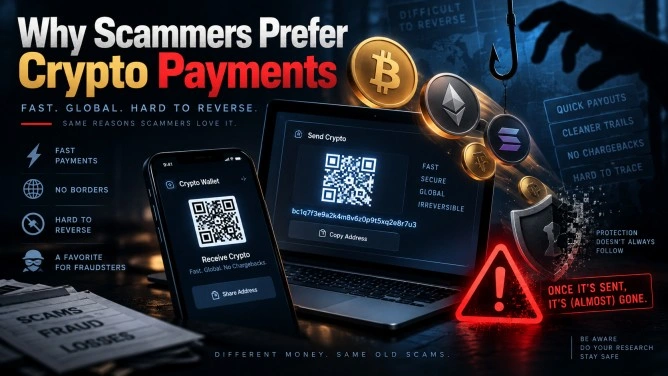
Why scammers prefer crypto payments and how cryptocurrency scams put consumers at risk

When a suspicious seller, supposed government official, online investment adviser, tech-support agent, or new internet acquaintance suddenly asks for payment in Bitcoin, USDT, Ethereum, or another cryptocurrency, the payment method itself deserves attention. That does not mean cryptocurrency is inherently fraudulent. Millions of legitimate transactions involve digital assets, and businesses, investors, developers, and ordinary consumers … Read more
Scam UPI Payment Tricks: How Fraudsters Manipulate Digital Payments and How to Stay Safe

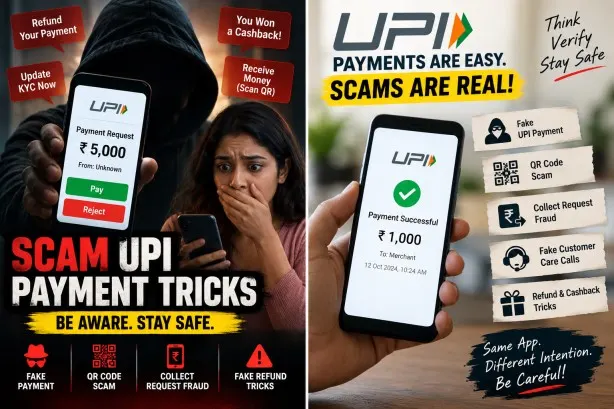
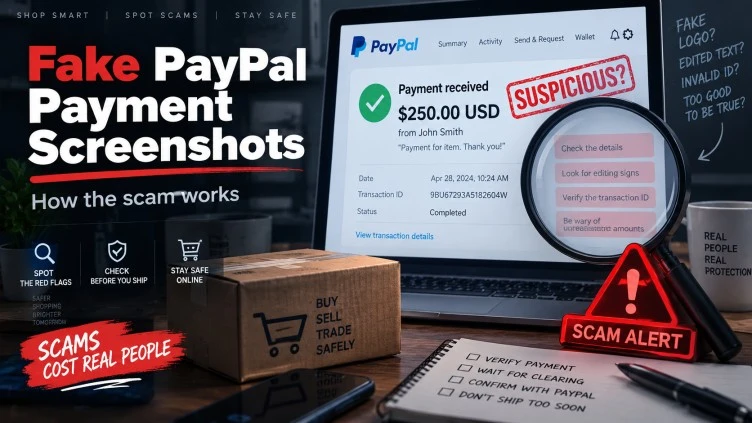
Scam UPI payment tricks including fake QR codes, refund scams, collect requests, and UPI PIN fraud

UPI has made everyday payments remarkably convenient in India. A shop bill, rent payment, online order, or transfer to a friend can often be completed in seconds. That convenience is one reason fraudsters are interested in UPI as well, but there is an important distinction that tends to get lost in alarming social-media posts: many … Read more

Chargeback Scams Explained: How They Work, Warning Signs, and How to Protect Yourself

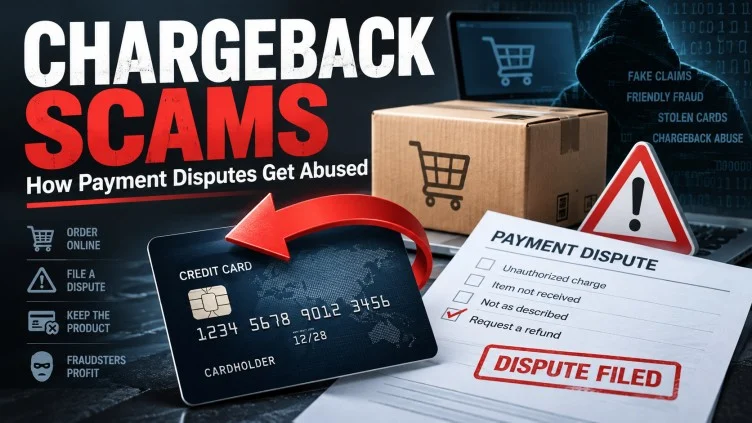
Chargeback scams explained with credit card disputes, refund fraud, and online payment warning signs

Chargebacks were created as a consumer protection mechanism, not as a shortcut for getting free products or reversing purchases simply because someone changed their mind. When they work properly, they give cardholders a way to challenge unauthorized transactions, duplicate charges, undelivered purchases, and certain other billing problems. The trouble begins when that protection is manipulated, … Read more

Refund Scams Explained: How Fake Refunds and Recovery Schemes Really Work

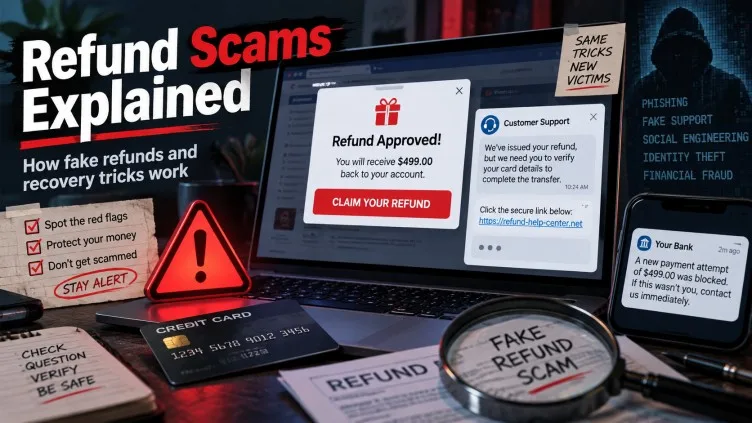
Refund scams explained with fake refund warning signs and online fraud risks

A refund normally sounds like good news. You bought something that did not arrive, canceled a subscription, returned a product, or were charged incorrectly, and now someone says your money is coming back. That positive expectation is exactly what makes refund scams unusually effective. Unlike many fraud attempts, a refund scam does not always begin … Read more

Credit Card vs Debit Card Safety Online: Which Is Safer for Online Shopping?

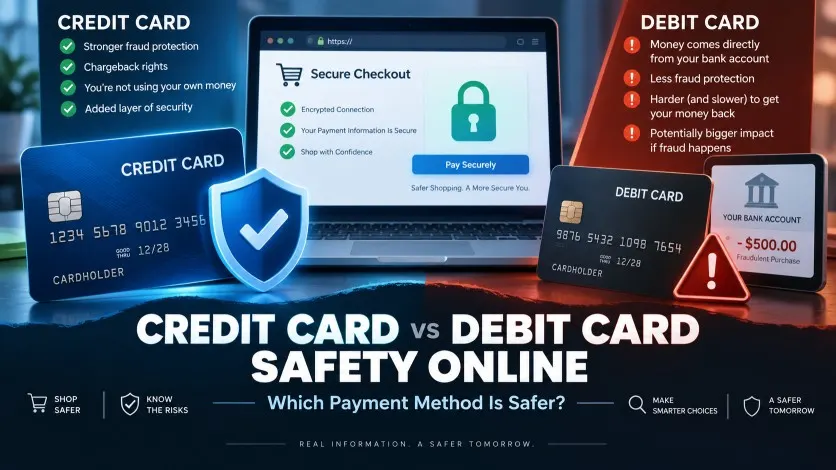
Credit card vs debit card safety online comparison for secure online shopping

Buying something online often ends with a deceptively simple choice: credit card or debit card. Both may carry the same Visa or Mastercard logo, both usually take only a few seconds to process, and from the shopper’s side the checkout experience can look almost identical. The difference becomes much more noticeable when something goes wrong. … Read more

GetNeuroSharp Review 2026: Is getneurosharp com Legit or a Scam?

GetNeuroSharp Review 2026 showing Neuro Sharp supplement and brain support claims

Buying a dietary supplement online requires a different type of investigation from reviewing a normal clothing or electronics store. A buyer is not only trusting a website with payment information; they may also be trusting health-related marketing claims, ingredient descriptions, refund promises, customer testimonials, and a product that will eventually be consumed. That makes transparency … Read more

Common Fake Website Red Flags: How to Spot Suspicious Sites Before You Buy

Common fake website red flags showing suspicious prices, risky payments, fake trust badges, and missing business details

A fake website does not always look fake. That is probably the most important thing I have learned while examining questionable online stores. Years ago, many fraudulent sites were easy to dismiss because they were badly designed, full of spelling mistakes, or obviously unfinished. That is no longer a reliable assumption. A suspicious store can … Read more

Why HTTPS Alone Does Not Mean a Site Is Safe: What the Security Indicator Really Tells You

HTTPS security warning showing why an encrypted website is not always safe or trustworthy

For years, online shoppers were given a simple piece of advice: look for HTTPS and a security symbol in the browser before entering payment information. That advice was useful when large parts of the web still transmitted information without encryption, but it has created a second problem. Many people now treat HTTPS as proof that … Read more