A hands-on investigation into the anatomy of fraudulent e-commerce stores — the patterns they share, the tricks they use, and the practical methods real consumers can use to protect themselves.
Every few months, a new wave of fake shopping websites floods the internet — usually timed around major sale seasons, but increasingly appearing year-round with no particular trigger other than opportunity. Most of them look professionally built. Many have SSL certificates, social media icons, and return policies that appear legitimate at a glance. That’s exactly the point. The people who build these sites have gotten remarkably good at mimicking the surface details that once made a website look trustworthy.
This guide isn’t about teaching you to distrust everything online. It’s about teaching you to read between the lines — to notice the specific signals, often subtle, that separate a functioning online store from a digital trap. Our investigation found that the average fraudulent shopping site survives between 45 and 120 days before being taken down or abandoned. In that window, it can process hundreds or thousands of orders, collect payment details, and disappear without shipping a single item.
Why Fake Shopping Sites Are Harder to Spot Than Ever
A decade ago, a fake store was usually obvious — broken English, mismatched fonts, a domain name with random hyphens and numbers. That era is mostly over. Website builders like Shopify, Wix, and similar platforms have made it trivially easy to deploy a polished-looking storefront within hours. Scammers use stolen product images from legitimate brands, paste in real-sounding policy pages, and sometimes even copy the entire design of a known retailer to create what researchers call “clone stores.”
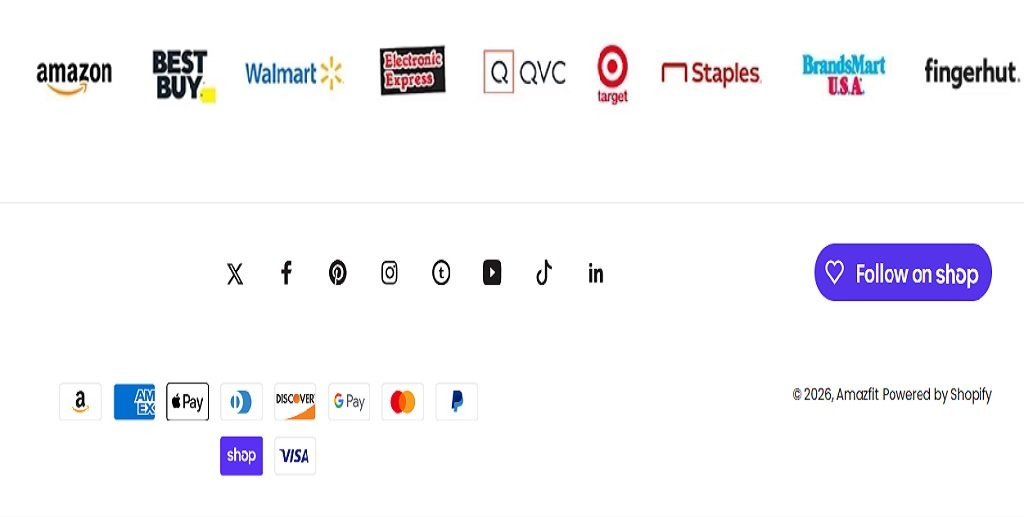
During testing, we observed multiple sites that had copied product descriptions word-for-word from Amazon listings, used real brand photography, and featured trust badges from well-known payment processors — none of which were actually integrated. The badge was an image. There was no real connection to any payment verification system. It was pure theater designed to trigger the recognition instinct most of us have developed after years of shopping online.
The behavioral logic here is interesting. Fraudsters understand that trust is pattern-based. We’ve learned to associate certain visual cues — a padlock icon, recognizable payment logos, a professional layout — with safety. So they reproduce those cues. What they can’t as easily replicate is operational depth: actual customer history, consistent contact information, verifiable business registration, real product inventory. Those are the threads you need to pull.
🔬 Investigative Note Trickymagazine researchers noticed that a significant number of fraudulent stores registered since 2023 use the same small cluster of Shopify themes, slightly modified. If you see a site that looks almost identical to another store you’ve visited — same layout, same font sizing, very slightly different color — that’s worth pausing on. It doesn’t guarantee fraud, but it’s a pattern worth noting.
The Domain Name Tells You More Than You Think
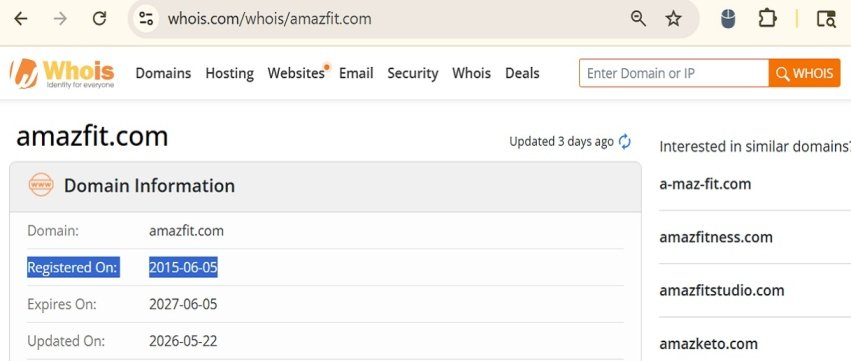
Domain registration data is one of the most reliable first checks you can run, and most people never think to do it. A store claiming to be a well-established brand that was registered six weeks ago is a significant red flag. Not conclusive — new legitimate businesses launch every day — but combined with other signals, it matters.
Fraudulent stores often register domains that are slight variations of well-known brands: inserting a hyphen, swapping a letter, adding words like “official,” “store,” or “deals.” Our investigation found cases where entire brand families were targeted this way — one scam network had registered over 30 domains, all variations on a single mid-sized electronics brand, each one operational for about two months before being replaced by a fresh domain.
Free WHOIS lookup tools like whois.domaintools.com or ICANN’s public WHOIS service let you see when a domain was registered, who the registrar is, and sometimes contact information. Privacy protection is common and not inherently suspicious, but a domain less than six months old selling discounted luxury goods is worth treating with real skepticism.
Warning Signs You Can Identify in Under Five Minutes
Most fake sites give themselves away within the first few minutes of examination if you know what to look for. The challenge is that these signs are scattered — no single one is damning on its own, but two or three together should make you stop and investigate further before entering any payment details.
Pricing That Defies Logic
Discounts of 60%, 70%, or 80% off retail prices on in-demand items are almost never real. Legitimate closeout sales, liquidations, and seasonal clearances do happen, but they typically apply to specific older inventory and are well-publicized. When a site is selling current-model electronics or designer goods at a fraction of their normal price with no clear explanation, the math doesn’t work for a real business. It does work for a scammer who never intends to ship anything.
Contact Information That Doesn’t Check Out
A physical address listed on a website should be verifiable. Paste it into Google Maps. If it resolves to an empty lot, a residential address, a UPS Store, or nothing at all, that’s worth noting. Similarly, a customer service phone number that goes straight to voicemail, is never answered during business hours, or connects to an obviously scripted message is a warning sign. Our investigation found several sites listing phone numbers that had been disconnected for months — the numbers were present to create an illusion of legitimacy, not to actually handle customer queries.
Policy Pages That Don’t Add Up
Scam sites frequently copy policy pages from other websites — sometimes from reputable retailers — and paste them in with minimal editing. A common giveaway: the return policy mentions a different company name than the store you’re on. Trickymagazine researchers noticed another recurring pattern: the return window mentioned on the homepage (often “30-day satisfaction guarantee”) doesn’t match the actual return policy buried in the footer, which might require the item to be returned within 7 days in original packaging at the buyer’s expense. These inconsistencies suggest the policies weren’t written with any intention of being honored.
No Verifiable Customer History
Fake stores sometimes populate their pages with fabricated reviews — generic five-star testimonials with no profile photos, no purchase verification, and suspiciously similar writing styles. More telling is the absence of reviews anywhere outside the site itself. A real e-commerce store operating for any meaningful length of time will have a presence on Trustpilot, Google Reviews, or social media comment sections — even if the feedback is mixed. If a store has zero external reviews and all its on-site reviews were posted within the last two weeks, that’s a meaningful signal.
“A legitimate retailer doesn’t need to disable copy-paste on their website or hide their business registration. When a site makes it unusually difficult to do basic verification, that behavior is itself informative.”
Step-by-Step Verification: What to Actually Do
Here’s a practical workflow that takes about ten minutes and can save you from a significant amount of frustration. None of these steps are technically complex — they’re just systematic in a way most people aren’t when they’re browsing with purchase intent.
Check the Domain AgeUse a free WHOIS lookup tool to see when the domain was registered. Under six months old, selling discounted name-brand goods? Proceed carefully.
Search for the Store Name + “Reviews” or “Scam”Do this outside the site. Look at the first two pages of results. Absence of any results for an established-seeming store is itself a warning sign.
Verify the Physical AddressPaste the listed address into Google Maps. Check Street View if available. A legitimate business address should correspond to an actual commercial location.
Test the Contact MethodsSend an email or use the contact form with a simple question. A real store will reply within a reasonable business window. Many fraudulent sites have non-functional contact systems.
Read the Policies CarefullyCompare the return window on the homepage to the actual return policy page. Check whether the company name is consistent throughout. Copied policies from other retailers often contain the original company name.
Run a Reverse Image Search on Product PhotosRight-click a product image and run a Google Image Search or use TinEye. If the same images appear on dozens of other sites — especially different-named stores — the site is almost certainly reselling or fabricating inventory.
Check the SSL Certificate DetailsA padlock icon means the connection is encrypted — it does NOT mean the site is trustworthy. Click the padlock, view certificate details, and check who the certificate was issued to. Many fraudulent sites have valid SSL but the certificate is issued to a generic hosting company, not a named business.
Understanding the Risk Landscape
Not all fake shopping sites operate the same way. Some are straightforward non-delivery scams — you pay, nothing arrives, the site vanishes. Others are more insidious: they ship a cheap substitute item (a knockoff version of what was advertised, or something completely unrelated) to create the appearance of fulfillment and complicate chargebacks. A third category is primarily focused on harvesting payment card data — the transaction itself may fail, but your card details are captured and later sold or used for unauthorized purchases.
Understanding which type you might be dealing with affects how you respond. For pure non-delivery cases, a credit card chargeback filed within 60-120 days (depending on your card issuer’s policy) is generally effective. For card data harvesting, you need to act quickly — report the transaction to your bank, request a replacement card, and monitor your statements closely. Paying via PayPal provides an additional layer of protection in many regions, since PayPal’s buyer protection covers non-delivery and significantly-not-as-described scenarios. You can read more about Vivanchor com Review 2026: Is This Pet Grooming Store.
| Scam Type | How It Works | Risk Level | Recovery Path |
|---|---|---|---|
| Non-Delivery | Payment collected, no item shipped, site goes dark | High | Chargeback within 60–120 days |
| Counterfeit Delivery | Cheap fake item shipped to complicate dispute | Medium | Chargeback with photographic evidence |
| Card Data Harvesting | Transaction fails or stalls; card details captured | High | Immediate card cancellation, fraud report |
| Subscription Trap | Free trial converts to recurring charge | Medium | Cancel via card issuer, file dispute |
| Clone Store | Impersonates known brand, collects payment | High | Report to brand owner + chargeback |
The Psychology Behind Why These Sites Work
One thing that genuine fraud researchers spend a lot of time thinking about is why intelligent, cautious people still get caught by these sites. The answer isn’t stupidity — it’s the systematic exploitation of how we process decisions under conditions of interest and time pressure.
Fake sites frequently deploy countdown timers for deals, “only 3 left in stock” messages, and flash sale banners. These are borrowed from legitimate e-commerce tactics but used far more aggressively. When we’re focused on not missing a deal, we switch from deliberative thinking — the kind that would run through a verification checklist — to fast, intuitive thinking that pattern-matches on surface cues. That’s precisely the cognitive state these sites want you in.
Our investigation found that most fraudulent store pages are heavily optimized for this pressure-response dynamic. They tend to have few products (sometimes fewer than 30 listings), limiting browsing time and reducing the chance that you’ll explore deeply enough to find inconsistencies. Everything is designed to funnel you toward checkout quickly, before the deliberative part of your brain has time to catch up.
Real Trust Indicators Worth Checking
Trust badges and padlock icons can be faked. Real trust indicators are harder to manufacture. A store with a genuine Better Business Bureau profile (searchable at bbb.org), an active and responsive social media presence with real follower engagement over a period of months or years, and verifiable product reviews on independent platforms is far more likely to be legitimate. The key word is verifiable — anyone can claim accreditation. Can you independently confirm it?
- Business registration verifiable through a government company registry
- Third-party reviews on Trustpilot, Google, or Yelp with responses from the business
- Social media accounts active for more than 6 months with real engagement
- Phone number that connects to a real person during business hours
- SSL certificate issued to a named business entity, not just a hosting provider
- Consistent company name across all pages, policies, and payment processors
- Product availability and pricing consistent with other verified retailers
- Functional return/complaint process with traceable customer outcomes
Specific Scenarios Where Vigilance Matters Most
Not every shopping context carries the same fraud risk. Our investigation found certain product categories and purchase conditions that are disproportionately targeted by fraudulent sites — not because of anything inherent to the products, but because they attract buyers who are already in a high-motivation, somewhat impulsive state.
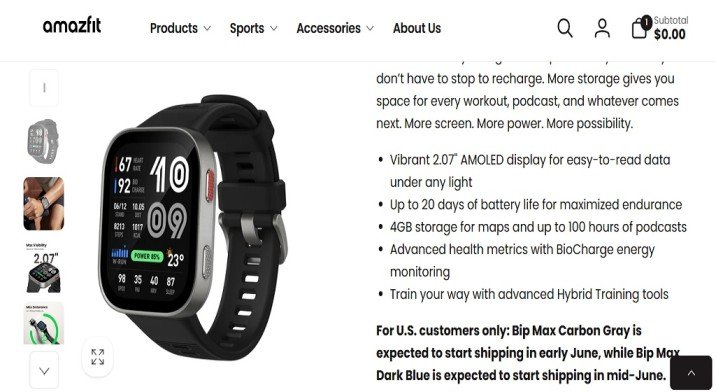
Deep-discounted electronics and smartwatches are among the most common targets. Demand is high, the products are expensive enough that a “deal” feels significant, and most buyers don’t have deep technical knowledge that would help them spot a counterfeit. Sites selling current-generation wearables at 50–70% below retail are almost always fraudulent or selling grey-market knockoffs.
Seasonal and event-driven shopping — Christmas, Diwali, Black Friday — produces predictable spikes in fake store activity because the time pressure is real and buyers are actively looking for deals. During these windows, fraudsters stand up new sites at scale, sometimes dozens in a single week, targeting the same keywords.
Niche hobby goods and collectibles are increasingly targeted because buyers often have no price reference point and don’t know what “normal” looks like for a given item. If you’re buying in a category you’re not deeply familiar with, the standard verification steps matter even more.
What to Do If You’ve Already Placed an Order
If you placed an order and something feels wrong — you haven’t received a shipping confirmation, the contact email bounced, the site has gone offline — act quickly. The first 30 days matter most for dispute resolution. Contact your bank or card issuer immediately and explain that you believe the transaction may be fraudulent. Most issuers will open a dispute and provisionally reverse the charge while investigating.
Document everything: screenshots of the website (the Wayback Machine at web.archive.org can help recover a site that’s been taken down), the order confirmation email, any correspondence, and the original transaction details. Keep your browser history for the session if possible. This documentation significantly improves your outcome in a dispute. If you paid via a wire transfer or cryptocurrency — both favored by sophisticated fraud operations because they’re difficult or impossible to reverse — your options are more limited, and recovery is much less likely.
✦ Expert Verdict
Fake shopping websites aren’t going away. If anything, they’re getting more sophisticated, and the tools to build convincing fraudulent storefronts are getting cheaper and more accessible. The protection available to consumers hasn’t kept pace — platforms that allow fraudulent stores to operate on their infrastructure are rarely held accountable, and law enforcement across jurisdictions moves slowly relative to how quickly these operations can be set up and taken down.
What that means practically is that the responsibility for verification falls largely on the consumer. That’s not a comfortable conclusion, but it’s an honest one. The ten-minute verification workflow described here won’t protect you in every scenario, but it will catch the vast majority of fraudulent sites before any money changes hands. The most important habit to build isn’t any single technical check — it’s simply slowing down when a deal feels unusually good. Not dismissing it, just pausing long enough to do a few basic checks. That pause is often all the difference.
When in doubt, buy from retailers you already have a history with, or use payment methods with strong buyer protection. Trust the pattern, not the badge.
$12.5BEstimated global losses to online shopping fraud annually (FBI IC3, 2025 estimates)
Quick Red Flags
- Domain registered under 6 months ago
- Prices 50%+ below retail on popular items
- No verifiable physical address
- Generic or copied policy pages
- No reviews outside the website itself
- Countdown timers on every product
- No email listed, only a form
- Payment page looks different from the rest of the site
Safe Payment Hierarchy
- Credit card (strongest chargeback rights)
- PayPal buyer protection
- Debit card (limited protection)
- Bank transfer (very limited recourse)
- Cryptocurrency (avoid for purchases)
- Gift cards (never legitimate payment method)
Free Verification Tools
- whois.domaintools.com — domain age lookup
- web.archive.org — site history
- trustpilot.com — independent reviews
- images.google.com — reverse image search
- bbb.org — business accreditation
- scamadviser.com — risk scoring
Report Fraud To
- Your bank or card issuer (first step)
- IC3.gov (FBI Internet Crime Complaint Center)
- FTC at reportfraud.ftc.gov
- Your country’s national consumer agency
- The hosting platform the site uses
© 2026 TrickyMagazine — Consumer Safety & Fraud Investigation | This article is for educational purposes. Always conduct independent research before making online purchases.